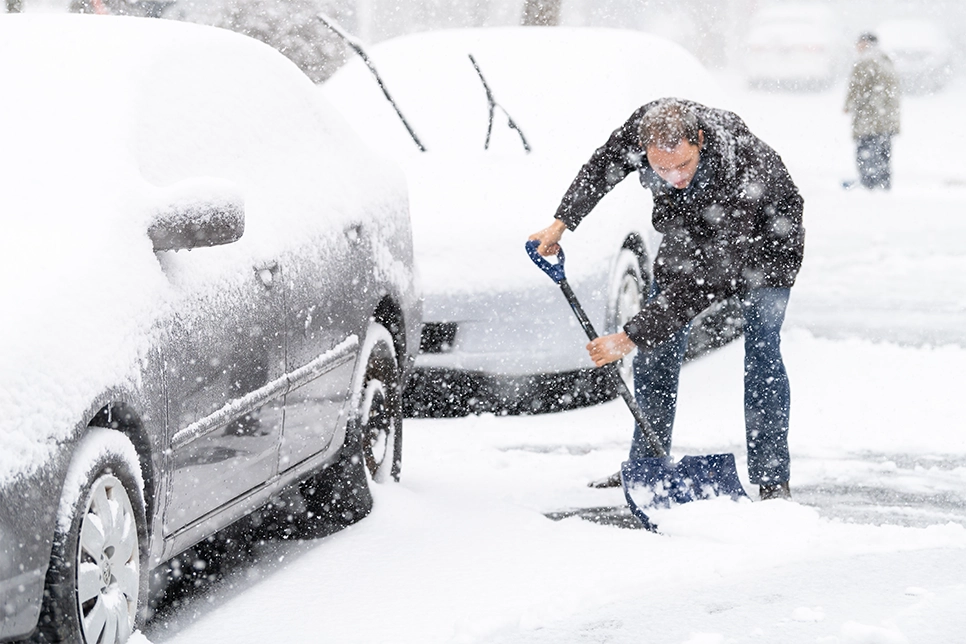
Snow Shoveling Without Throwing Your Back Out: A Full Chiropractic Guide to Protecting Your Spine This Winter
Snow shoveling may seem like a simple winter chore, but from a chiropractic perspective, it’s one of the most spine-stressful activities people perform all year. Sudden loading, awkward posture, cold-stiffened joints, and repetitive twisting can quickly overwhelm the spine—often leading to pain that lingers long after the snow melts.
At Pulse Chiropractic & Wellness, we see a predictable surge in patients every winter dealing with back pain, neck stiffness, disc irritation, and nerve symptoms following snowstorms. The good news? Most of these injuries are highly preventable with better spinal awareness and movement strategy.
Why Snow Shoveling Is a Perfect Storm for Spinal Injury
From a chiropractic standpoint, snow shoveling places the spine under high compressive and rotational forces, especially when performed incorrectly.
Key risk factors include:
- Forward-bent posture that increases disc pressure
- Twisting through the spine while lifting
- Cold temperatures that reduce joint mobility
- Fatigue that leads to poor spinal control
When spinal joints lose proper motion or alignment under load, surrounding muscles tighten, nerves become irritated, and pain can appear suddenly—or build over hours and days.
Cold Weather Changes How Your Spine Moves
Cold exposure causes muscles to tighten and joints to become less mobile. This makes the spine less adaptable to sudden force, increasing the likelihood of joint restriction or strain.
Before you shovel, your goal isn’t to “work out” — it’s to restore motion to the spine so it can tolerate load more safely.
Chiropractic Warm-Up: Restore Motion Before You Lift
Spend just a few minutes encouraging spinal movement before heading outside.
Simple pre-shoveling mobility:
- Gentle neck rotations
- Shoulder rolls and arm swings
- Slow trunk rotations
- Controlled forward and upright movements (no forcing)
The goal is to wake up spinal joints, improve communication between the spine and nervous system, and reduce stiffness before loading begins.
How to Shovel Snow with Less Stress on Your Spine
1. Keep Your Spine Aligned
Avoid rounding or collapsing forward. A more upright posture reduces pressure on spinal discs.
2. Minimize Twisting
Twisting while lifting is one of the fastest ways to irritate spinal joints. Step your feet instead of rotating your torso.
3. Reduce Load on Each Lift
Smaller scoops place less compression through the spine and allow joints to move more smoothly.
4. Push When Possible
Pushing snow limits vertical loading and reduces cumulative spinal stress.
5. Take Breaks to Reset Your Spine
Short breaks allow spinal joints to decompress and prevent progressive stiffness.
The Right Shovel Matters More Than You Think
From a chiropractic standpoint, shovel design directly affects spinal mechanics.
Look for:
- Lightweight materials to limit compressive load
- Ergonomic or curved handles to reduce forward flexion
- Proper height so you’re not bending excessively
A poorly fitted shovel can force the spine into compromised positions—even with good intent.
Warning Signs Your Spine Needs Attention
Stop shoveling and seek care if you notice:
- Sharp or persistent back or neck pain
- Pain radiating into the arms or legs
- Numbness, tingling, or weakness
- Increasing stiffness that doesn’t resolve with rest
These symptoms often indicate restricted joint motion or nerve irritation, not just muscle soreness.
How Chiropractic Care Helps After Snow Shoveling Injuries
Chiropractic care focuses on restoring proper spinal joint motion and alignment, allowing the nervous system to function optimally.
Post-shoveling chiropractic care may help:
- Improve joint mobility
- Reduce nerve irritation
- Decrease muscle guarding and tension
- Support faster, more natural recovery
Rather than masking symptoms, chiropractic adjustments aim to correct the underlying mechanical issues contributing to pain.
Stay Ahead of Winter Injuries
Snow shoveling doesn’t have to derail your winter—or your spine. With better awareness, smarter movement, and proactive spinal care, you can protect your body through even the toughest storms.👉 If winter weather has left your spine stiff, sore, or out of balance, schedule a visit with Pulse Chiropractic & Wellness and get your body moving the way it was designed to.