Sports Injury Care & Rehab
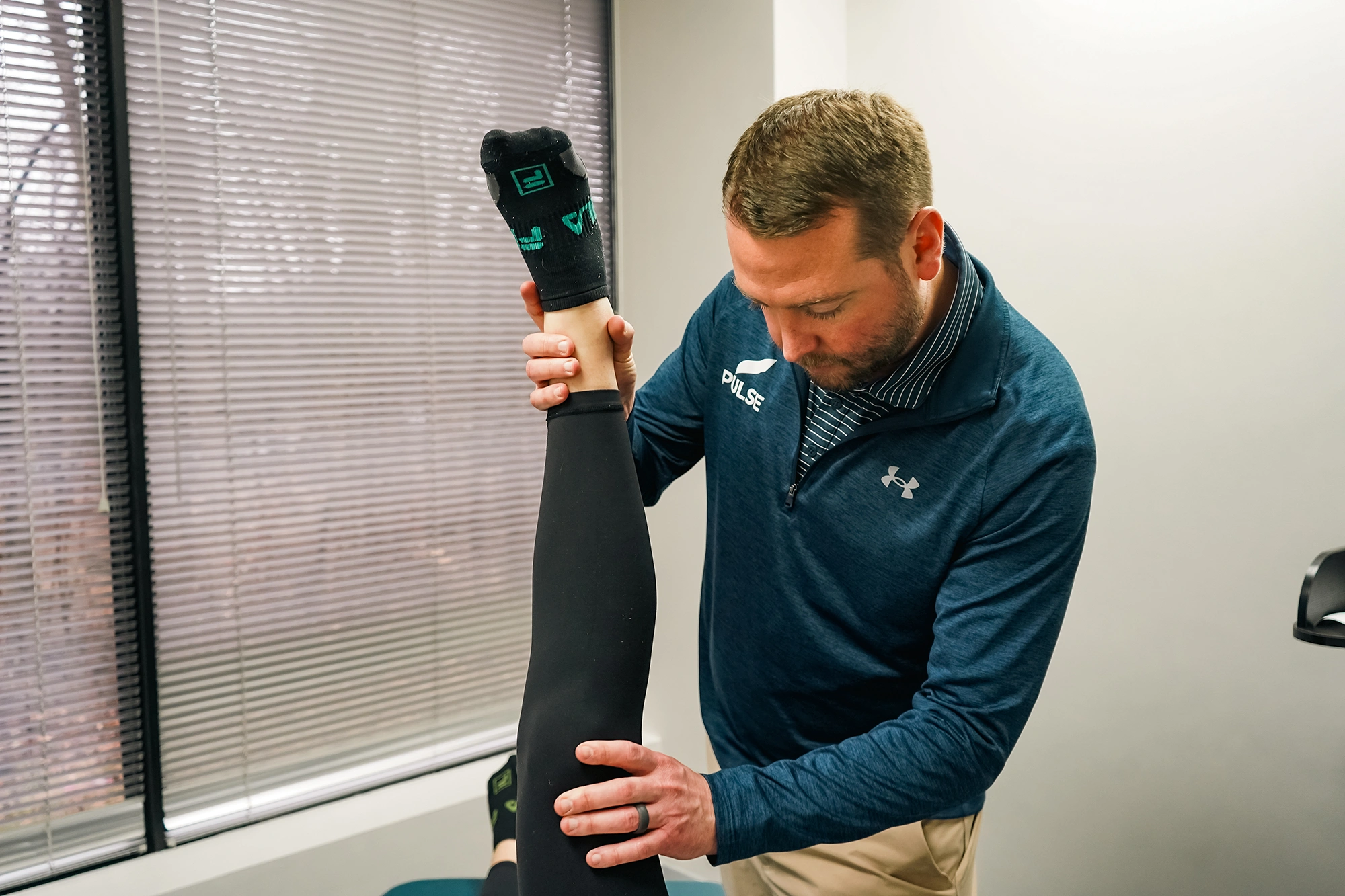
Performance-Driven Chiropractic Care for Active Lifestyles in Columbia, MD
Our sports chiropractor in Columbia, MD blends chiropractic care with movement-based rehab to help active individuals recover, perform, and stay injury-free. This approach is especially effective for patients dealing with sports injuries, tendonitis, and movement-related conditions like postural imbalances that can impact performance and increase injury risk.

Services Included
Sports Injury Treatment & Prevention
We treat a wide range of sports-related injuries including muscle strains, joint pain, and overuse conditions. Care focuses on reducing pain while addressing the movement patterns that contribute to sports injuries, joint pain & dysfunction, and recurring issues like tendonitis, helping prevent future setbacks.
Postural & Movement Assessments
Movement assessments evaluate how your body moves during everyday activities and athletic performance. Identifying imbalances and compensations allows us to address conditions such as postural imbalances, neck pain, and even performance-limiting mechanics linked to back pain.
Rehabilitative & Corrective Exercise
Corrective exercise programs are designed to improve strength, stability, and control. These programs help support recovery from injury-related conditions, improve movement efficiency, and reduce recurrence of issues like joint pain & dysfunction and sports-related strain.

How We Deliver Sports Injury Care & Rehab
We combine chiropractic adjustments with targeted rehab strategies to restore mobility, improve strength, and optimize movement. This integrated approach helps address underlying contributors to sports injuries, postural dysfunction, and joint stress, allowing you to return to activity with confidence and reduced risk of reinjury.
Shoulder Pain Treatment for Athletes and Active Adults
The shoulder is the most mobile joint in the body, allowing you to reach, lift, throw, and rotate with ease. That remarkable range of motion also makes it one of the most vulnerable to injury. If you’re experiencing pain with overhead movements, stiffness, weakness, or a sharp catching sensation when reaching behind your back, the problem may involve more than just the shoulder itself. Healthy shoulder movement depends on proper posture, thoracic spine mobility, scapular (shoulder blade) mechanics, and rotator cuff function. When one of these areas isn’t working efficiently, the shoulder often compensates, leading to pain, reduced mobility, and injury.
Shoulder pain is one of the more common reasons active adults and athletes come to Pulse for chiropractic care. Many patients arrive after weeks of rest, ice, and anti-inflammatories haven’t resolved the issue. This is because the underlying problem was never properly identified. We evaluate the shoulder and surrounding structures to determine the cause of your discomfort and devise a personalized treatment plan that restores movement, reduces pain, and helps prevent future problems.
Conditions We Treat
Rotator cuff strain and tendinitis: overuse or acute injury to the muscles and tendons that stabilize the shoulder, common in overhead athletes (swimmers, throwers, volleyball players), lifters, and anyone whose work requires repetitive arm movements. Treatment focuses on reducing inflammation, restoring balanced rotator cuff strength, and correcting inefficient movement patterns.
Shoulder impingement: a mechanical pinching of the rotator cuff tendons or bursa when the arm is raised, often caused by poor scapular positioning, thoracic stiffness, or muscle imbalance. We address both the local irritation and the upstream contributors (posture, mid-back mobility, scapular control) that most single-modality approaches miss.
Frozen shoulder (adhesive capsulitis): progressive stiffness and loss of range of motion in the shoulder capsule. Treatment combines joint mobilization, soft tissue work, and progressive stretching to restore motion. Read our full article on frozen shoulder.
Shoulder blade and upper back pain: often related to postural imbalance, especially in desk workers and people who spend extended time on screens. Pain between or around the shoulder blades frequently originates from thoracic spine stiffness or muscular tension. Learn about our Performance & Posture care.
Our Approach to Shoulder Care
Dr. Rill’s background in sports medicine, including working with USA Track & Field athletes preparing for the 2012 London Olympic Games, informs how we evaluate and treat shoulder conditions at Pulse.
We don’t treat the shoulder in isolation. Every shoulder patient gets a movement and postural assessment that includes the cervical and thoracic spine, scapular mechanics, and core stability, because these other areas are often involved in shoulder dysfunction.
Treatment typically combines:
- Extremity adjustments to restore proper joint mechanics in the shoulder, AC joint, and thoracic spine
- Soft tissue therapy and cupping to release tension in the rotator cuff, upper trapezius, pec minor, and surrounding musculature
- Rehabilitative exercise specific to shoulder stability– scapular control drills, rotator cuff strengthening, and thoracic mobility work
- Activity modification guidance to keep you training or working while the shoulder recovers, rather than defaulting to complete rest
The goal is to resolve the pain and build a more resilient shoulder that can withstand the demands you put on it.
When Should You See a Chiropractor for Shoulder Pain?
Consider an evaluation if:
- Shoulder pain has persisted for more than a week without improvement
- You feel a catch, click, or grinding sensation during movement
- Pain disrupts sleep, especially when lying on the affected side
- Range of motion is noticeably decreased
- Pain began after a fall, collision, or sudden movement
- You’ve modified your workouts or daily activities to avoid using the shoulder
FAQ
👉 Get back to training with confidence. Book your sports chiropractic evaluation today.
Medically reviewed by Dr. Andrew Rill, DC, [August 21, 2026]