Manual Therapies
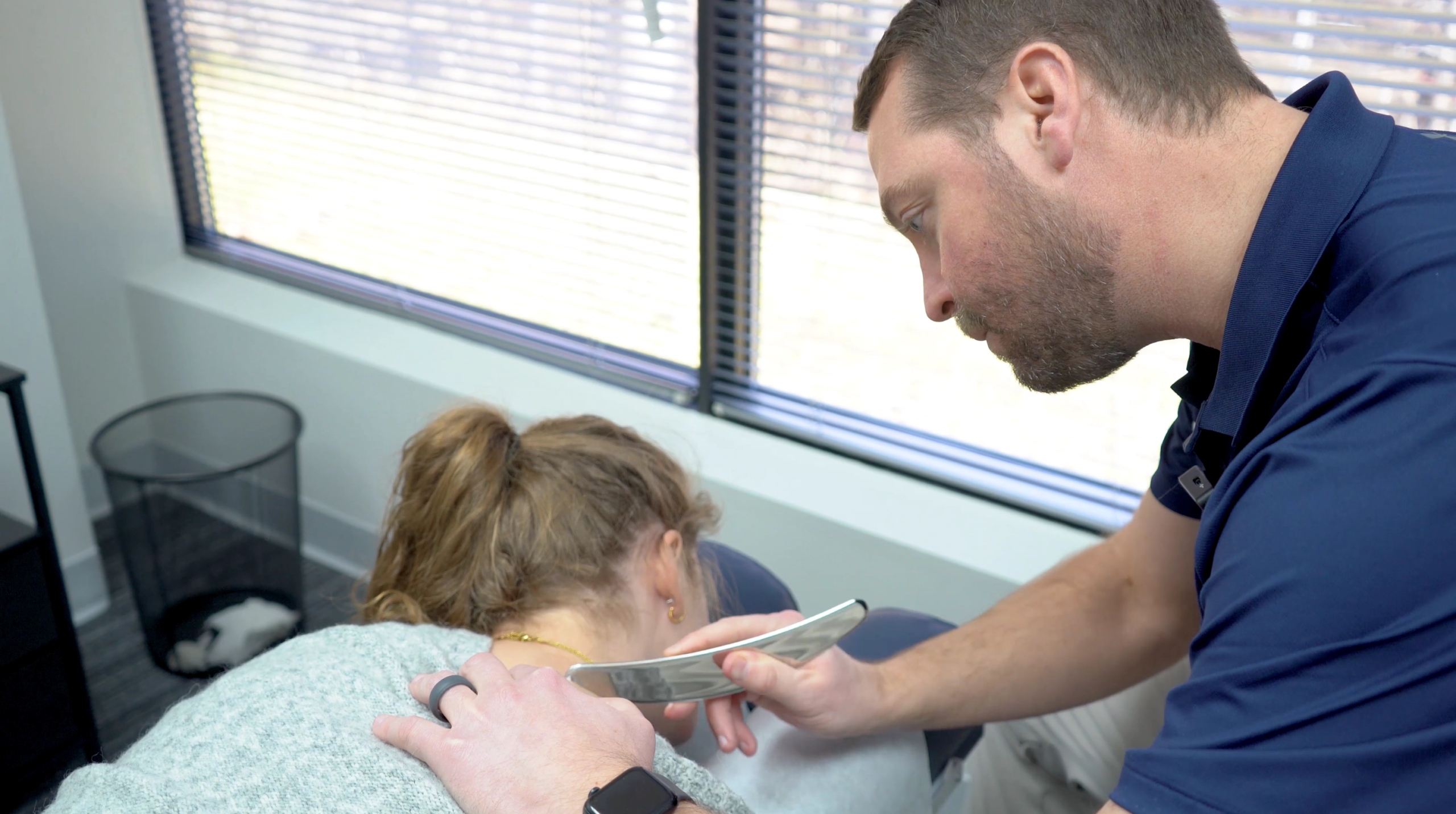
Restoring Alignment, Mobility & Function Through Personalized Chiropractic Care
Hands-on care is the foundation of what we do at Pulse Chiropractic & Wellness. As a chiropractor in Columbia, MD, we use evidence-informed manual techniques to address the root cause of pain and dysfunction—not just the symptoms. This approach is especially effective for patients experiencing back pain, neck pain, and headaches & migraines, helping restore proper movement, function, and long-term spinal health.

Services Included
Spinal Adjustments & Manipulations
Spinal adjustments are a cornerstone of chiropractic care, designed to restore proper joint motion and alignment. By improving how the spine moves, adjustments help reduce nerve irritation and relieve symptoms associated with back pain, neck pain, and headaches & migraines, while improving overall function and mobility.
Manual Spinal Decompression
Spinal decompression is a gentle, non-invasive technique that reduces pressure on spinal discs and nerves. It is commonly used for patients dealing with sciatica, disc bulges & herniations, and pinched nerves, helping improve circulation and support the body’s natural healing process.
Extremity Adjustments
Chiropractic care extends beyond the spine. Extremity adjustments target joints such as the shoulder, knee, hip, wrist, and ankle to restore proper mechanics. This can be particularly beneficial for conditions like joint pain & dysfunction, plantar fasciitis, and carpal tunnel syndrome.
Soft Tissue Therapy
Soft tissue therapy focuses on relieving muscle tension and improving circulation within muscles and connective tissue. This approach supports recovery from tendonitis, soft tissue injuries, and sports injuries, while improving flexibility and movement efficiency.
Cupping Therapy
Cupping is used to improve blood flow, reduce muscle tightness, and support recovery. It is often helpful for patients experiencing chronic muscle tension or recovering from overuse injuries and soft tissue strain.

How We Deliver Hands-On Chiropractic Care
We combine precise chiropractic adjustments with targeted soft tissue work and decompression strategies to restore alignment and improve how your body moves. This integrated approach helps address conditions like sciatica, back pain, and joint dysfunction at their source while supporting long-term movement health.
Non-Surgical Herniated Disc Treatment
A herniated or bulging disc doesn’t always mean that surgery is necessary. In many cases, the pain, numbness, and weakness caused by a disc pressing on a nerve can be treated effectively with Pulse Chiropractic care.
At Pulse Chiropractic, Dr. Rill will evaluate your disc-related condition with a chiropractic and orthopedic exam. He’ll then build your treatment plan around the specific location and severity of the herniation.
How We Treat Herniated Discs
Manual spinal decompression is the foundation of our approach for most patients. Patients typically feel a gradual stretching sensation during the session.
Decompression is combined with:
- Spinal adjustments to restore proper alignment and reduce mechanical stress on the affected segment
- Soft tissue therapy to release muscular guarding and tension that develops around the injury
- E-Stim and intersegmental traction to manage inflammation, promote circulation, and improve spinal mobility during the acute phase
- Corrective exercise to strengthen the core and lumbar stabilizers once acute symptoms are managed, reducing the risk of re-herniation
Together, these address the disc, the surrounding muscles and joints, and the movement patterns that contributed to the problem.
When Patients Come to Us Before Surgery
Many of our patients come to Pulse after being told surgery may be necessary. While surgery is sometimes the right call, a significant number of herniated disc cases respond well to our non-surgical care.
FAQ
👉 Experience the difference of hands-on chiropractic care. Schedule your visit today.
Medically reviewed by Dr. Andrew Rill, DC, [August 20, 2026]