How Chiropractic Care Can Help with Chronic Knee Pain
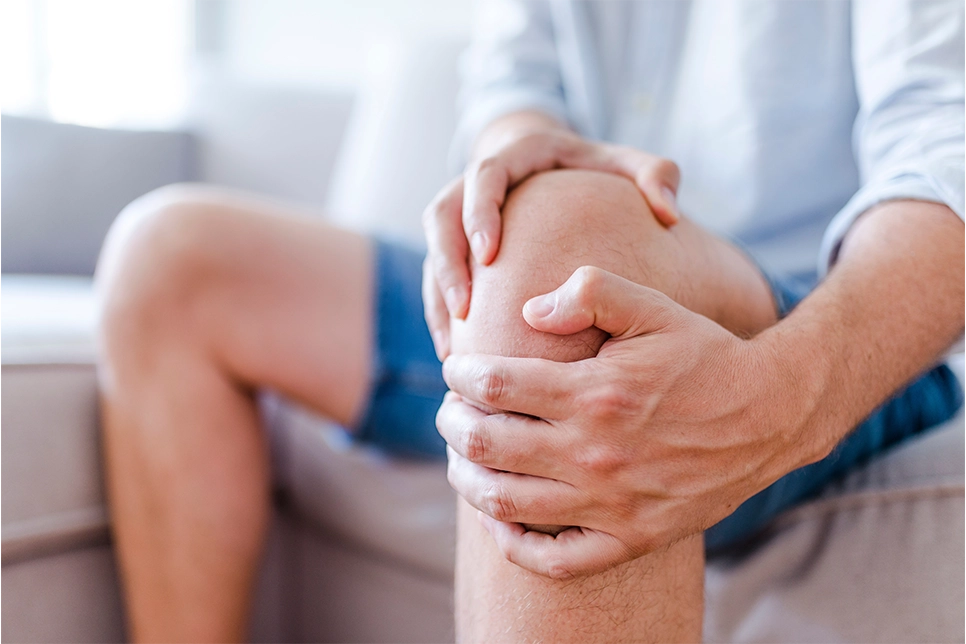
Chronic knee pain is one of the most common musculoskeletal complaints, affecting people of all ages and activity levels. Whether it’s a lingering ache from an old injury, stiffness that worsens with age, or discomfort that flares up during everyday activities, knee pain can significantly impact quality of life. While many people focus solely on the knee itself, chiropractic care takes a broader, more effective approach—looking at how the entire body contributes to knee function and pain.
Understanding Chronic Knee Pain
The knee is a complex joint that relies heavily on surrounding structures for stability and movement. Chronic pain can stem from a variety of causes, including:
- Overuse or repetitive strain
- Muscle imbalances
- Poor biomechanics
- Previous injuries
- Degenerative changes such as osteoarthritis
- Misalignment in the hips, pelvis, or ankles
When the knee is not moving properly—or when other joints are not doing their job—the stress placed on the knee increases, often leading to inflammation, stiffness, and long-term discomfort.
A Whole-Body Perspective
One of the key principles in chiropractic care is that the body functions as a connected system. The knee sits between the hip and the ankle, meaning dysfunction above or below it can directly affect how it performs.
For example:
- Limited hip mobility can cause the knee to compensate during walking or squatting
- Poor ankle movement can alter gait mechanics, increasing stress on the knee
- Pelvic misalignment can shift weight distribution unevenly
Rather than treating only the site of pain, chiropractors assess movement patterns and joint function throughout the entire lower body.
Chiropractic Treatment Approaches
Chiropractic care for chronic knee pain focuses on restoring proper movement, reducing stress on the joint, and improving overall function.
1. Joint Adjustments
Chiropractors may perform gentle adjustments not only to the knee but also to the hips, pelvis, and ankles. Restoring proper joint motion can reduce abnormal stress and improve how forces are distributed through the leg.
2. Soft Tissue Therapy
Tight or overactive muscles—such as the quadriceps, hamstrings, or iliotibial (IT) band—can pull on the knee and alter its mechanics. Techniques like myofascial release and targeted muscle work help reduce tension and improve flexibility.
3. Corrective Exercise and Rehabilitation
Strengthening and stabilizing the muscles around the knee is essential for long-term relief. Chiropractors often prescribe exercises to:
- Improve quadriceps and hamstring balance
- Strengthen the glutes for better hip control
- Enhance stability and coordination
These exercises are tailored to the individual and progress over time as function improves.
4. Movement and Gait Analysis
Identifying faulty movement patterns is crucial. Whether it’s how you walk, run, squat, or climb stairs, small inefficiencies can add up. Chiropractors help retrain these patterns to reduce strain on the knee.
5. Postural and Lifestyle Guidance
Daily habits play a significant role in chronic pain. Standing posture, sitting habits, footwear, and activity levels all influence knee health. Practical guidance helps patients make changes that support healing and prevent flare-ups.
6. Non-Invasive, Drug-Free Care
Chiropractic treatment emphasizes natural healing without reliance on medications or invasive procedures. This makes it a valuable option for individuals seeking long-term solutions rather than temporary symptom relief.
When to Consider Chiropractic Care
If you’ve been dealing with knee pain that:
- Persists for weeks or months
- Returns repeatedly after activity
- Limits your mobility or exercise
- Has not responded fully to rest or basic treatments
…it may be time to look beyond the knee itself and address the underlying causes.
A Path Toward Lasting Relief
Chronic knee pain doesn’t have to be something you simply “live with.” By addressing joint function, muscle balance, and movement patterns, chiropractic care offers a comprehensive approach to both relief and prevention.
The goal isn’t just to reduce pain—it’s to help you move better, feel stronger, and return to the activities you enjoy with confidence.